Whole. Relational. Healing.

Maine Street Medicine
Medicine rooted in story, relationship, and care.
Orono, Maine and Telehealth
Maine Street Medicine Mission
At Maine Street Medicine, we practice whole, relational medicine grounded in listening, continuity of care, and deep respect for lived experience. Our work integrates family medicine, psychiatry, psychotherapy, and integrative approaches, drawing on narrative and dialogical traditions that honor the ways story, relationship, and community shape health and healing. Our work is strongly Indigenous‑informed. We are committed to care that is deeply humanistic, collaborative, and evidence-based, supporting people across the lifespan with thoughtfulness and care.
Meet the Founders
Maine Street Medicine was founded by Lewis Mehl-Madrona, MD, PhD, and Barbara Mainguy, LCSW, whose shared work spans medicine, psychiatry, psychotherapy, narrative healing, and community-based care.
Together, they bring decades of clinical, academic, and teaching experience, united by a commitment to dialogue-centered healing and the integration of story, culture, and relationship into medical and mental health practice.
-
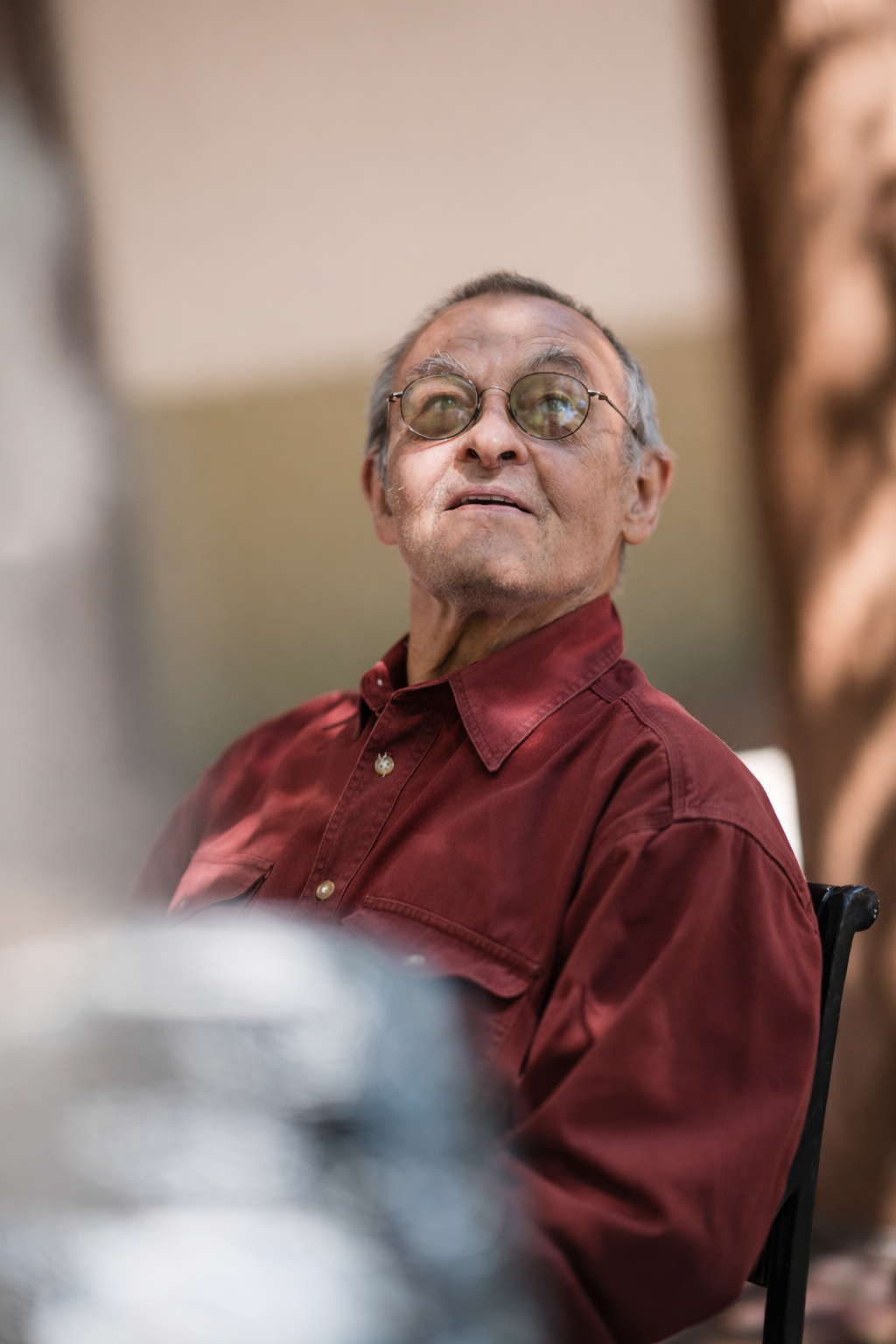
Lewis is a physician trained in family medicine, psychiatry, and clinical psychology. He completed his medical training at Stanford University School of Medicine and his residencies in family medicine and psychiatry at the University of Vermont College of Medicine. He has served on the faculties of several medical schools, most recently as Associate Professor of Family Medicine at the University of New England.
Lewis has worked extensively with Indigenous and Aboriginal communities to support the development of culturally grounded approaches to health and healing. His clinical and scholarly interests include psychosis, behavioral medicine, consult-liaison psychiatry, and healing through dialogue within families and communities. He is the author of numerous books, including Coyote Medicine, Coyote Healing, Coyote Wisdom, Narrative Medicine, Healing the Mind through the Power of Story, and The Promise of Narrative Psychiatry.
-
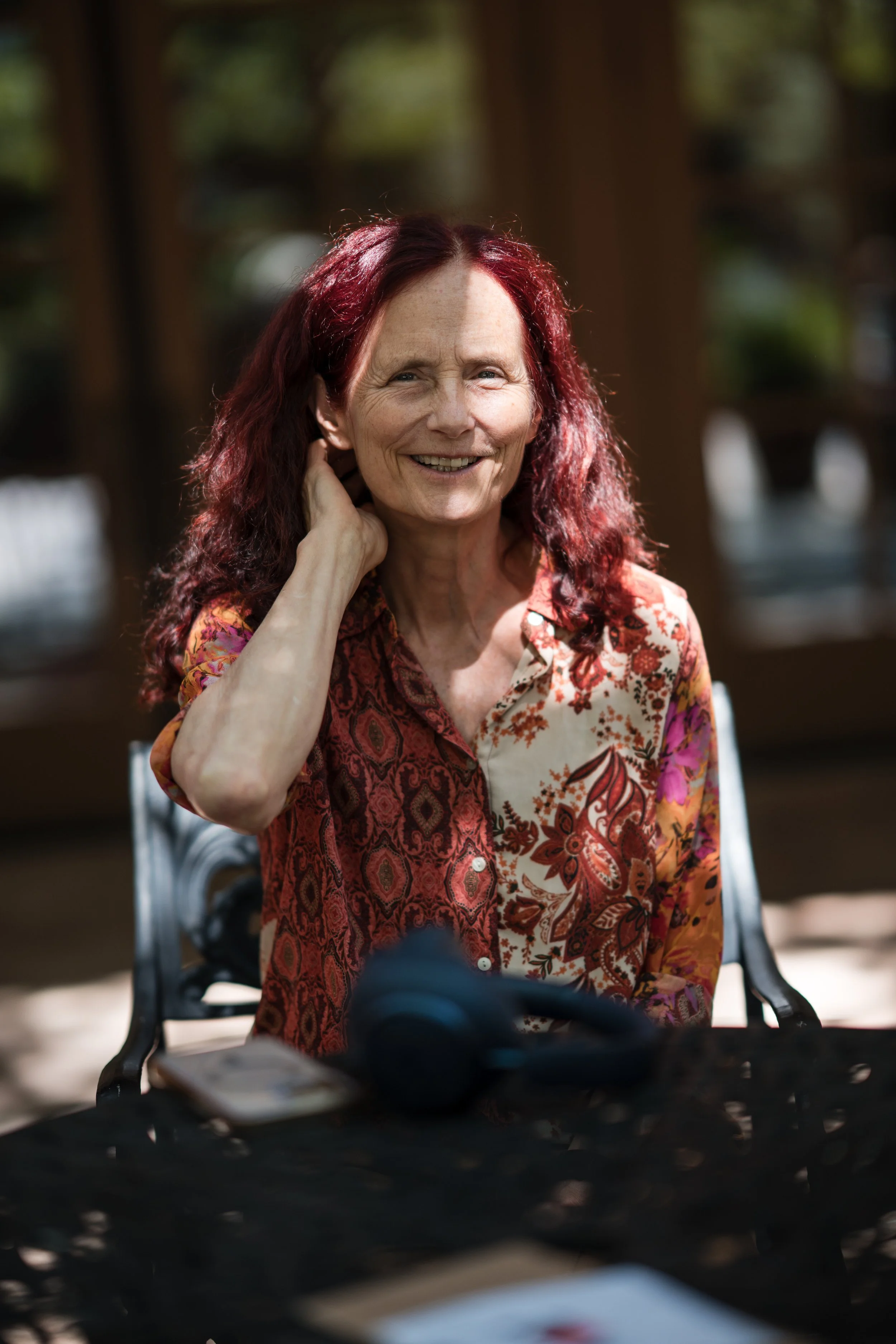
Barbara is a psychotherapist whose work bridges clinical psychotherapy, creative arts, narrative approaches, and behavioral medicine. She studied psychology and philosophy at the University of Toronto, earned a Master’s degree in Creative Arts Psychotherapy at Concordia University in Montreal, and completed her Master of Social Work at the University of Maine. Prior to her clinical work, she spent many years working as an artist and artist-in-residence within mental health systems.
Barbara has extensive experience in psychotherapy across primary care and mental health settings, with particular interests in psychosis, chronic pain, group therapy, and the interface between art, narrative, and healing. She is certified in hypnosis and has taught hypnosis and behavioral medicine nationally through organizations including the American Psychiatric Association and the New England Society for Clinical Hypnosis. She is also completing her MFA in documentary filmmaking, reflecting her ongoing commitment to story as a vehicle for transformation.
Together with Lewis, Barbara co-authored Remapping Your Mind: The Neuroscience of Self-Transformation through Story and serves as Director of Education for the Coyote Institute.

“Beyond any technique, relationships are what heal.”
- Dr. Lewis Mehl-Madrona & Barbara Mainguy
Coyote Institute is a 501(c)(3) nonprofit founded and led by Dr. Lewis Mehl-Madrona and Barbara Mainguy, dedicated to weaving the knowledge and wisdom of Indigenous cultures into contemporary medicine and psychology. Their mission is grounded in Two-Eyed Seeing — honoring Indigenous ways of knowing alongside contemporary scientific insights to support transformation without diminishing either.
What they do:
Provide workshops, seminars, trainings, and consultations on Indigenous knowledge, healing practices, and personal and planetary transformation.
Offer in-person experiential workshops and online education focused on narrative approaches to change & transformation.
Host conferences and retreats that explore Indigenous-informed healing, storytelling, ceremony, and embodied practices that bridge cultures and worldviews.
Why Coyote Matters:
The Coyote — a powerful North American symbol of change and transformation — inspires their approach. Coyote’s role is to intervene when systems become rigid, inviting flexibility, joy, humor, compassion, and deep transformation.
Bringing the wisdom of Indigenous peoples to the modern world
